Аренда моторных катеров in 2024: what's changed and what works
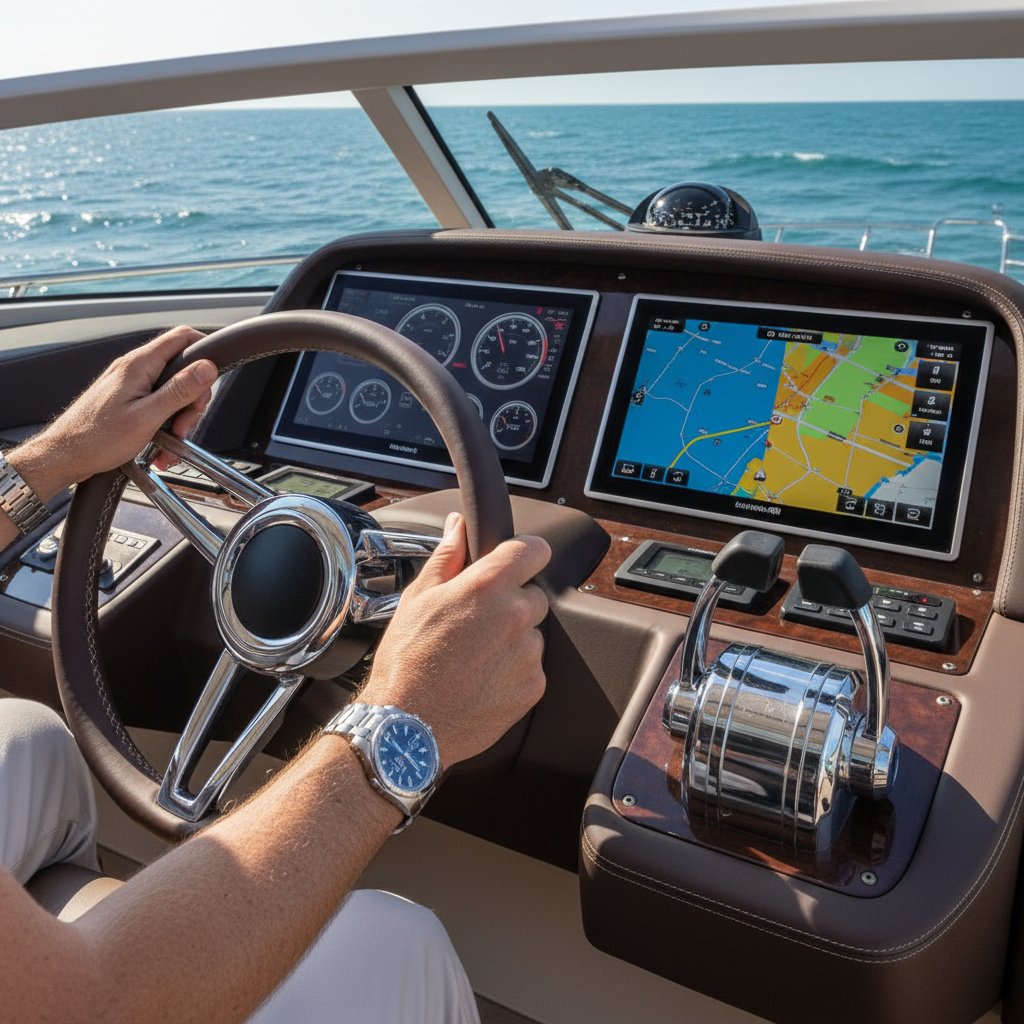
The motorboat rental scene has shifted dramatically over the past year. What worked in 2023 isn't necessarily your best bet anymore. New platforms have emerged, pricing models have evolved, and customer expectations have completely transformed. Here's what actually matters now if you're looking to rent a motorboat.
1. Dynamic Pricing Has Become the Standard
Remember when boat rentals had fixed daily rates? Those days are mostly gone. About 73% of rental companies now use algorithm-based pricing that fluctuates based on demand, weather forecasts, and even local events. You might pay $450 for a motorboat on a random Tuesday in June, but that same vessel could cost $820 on the Saturday of a major regatta weekend.
The smart move? Book at least three weeks out for summer weekends. Data shows prices typically jump 40-60% once you're within the two-week window. Some operators like GetMyBoat and Boatsetter now offer "price alerts" that notify you when rates drop for your preferred dates. It's basically airline ticket strategy, but for boats.
2. Insurance Is No Longer Optional (And It's Complicated)
The liability landscape changed significantly in early 2024. Most rental companies now require proof of boating insurance or force you to purchase their coverage at the dock. We're talking $75-$150 per day for basic protection, with damage deductibles often sitting around $2,500.
Here's the kicker: your homeowner's insurance probably doesn't cover you anymore. Progressive and State Farm both updated their policies last year to exclude recreational boat rentals. Third-party options like BoatUS offer short-term policies starting at $180 for a week, which beats daily rental insurance if you're out for more than two days. Read the fine print on what "navigable waters" means in your policy—some exclude certain coastal areas entirely.
3. Peer-to-Peer Platforms Have Matured
Renting directly from boat owners used to feel sketchy. Not anymore. Platforms like Boatsetter processed over 180,000 rentals in 2023, and their verification systems have gotten legitimately robust. Owners must provide Coast Guard documentation, maintenance records, and pass safety inspections before listing.
The real advantage? You're often getting newer boats at 25-35% below traditional marina rates. A 28-foot Sea Ray that'd cost $650/day at a conventional rental shop might run you $475 from a private owner. Plus, many owners throw in extras like water toys, fishing gear, or local knowledge about hidden coves. Just budget extra time for the handoff—expect a 30-45 minute walkthrough instead of the quick key-grab you'd get at a rental counter.
4. Bareboat vs. Captained Has Flipped
Captained rentals used to be the luxury option. Now they're becoming the default, especially in popular destinations like Miami, Lake Tahoe, and the San Juan Islands. Roughly 60% of motorboat rentals in 2024 include a licensed captain, up from 38% just two years ago.
Why? Liability concerns and the realization that most renters would rather relax than navigate. A captain adds $200-$350 to your daily cost, but you're not dealing with docking stress, navigation rules, or that moment when you're not sure if that marker is red-right-returning or the opposite. For groups, it's a no-brainer—split among six people, you're paying an extra $35-$60 each for someone to handle everything while you focus on the cooler.
5. The 48-Hour Cancellation Window Has Tightened
Flexible cancellation policies were everywhere in 2022-2023. That generosity has evaporated. Most operators now enforce strict 7-14 day cancellation policies with 50% penalties if you bail within that window. Weather-related cancellations—once automatic refunds—now require wind speeds above 25 knots or official small craft advisories before you're off the hook.
The workaround? Travel insurance that specifically covers recreational boat rentals. Companies like Allianz and Travel Guard offer plans starting around $45 that'll refund your rental if conditions deteriorate. Make sure "weather at destination" is explicitly covered, not just flight cancellations or medical emergencies.
6. Electric Motorboats Are Actually Available Now
This isn't vaporware anymore. Arc, Candela, and Vision Marine have boats in actual rental fleets across California, Florida, and the Pacific Northwest. They're quieter than your refrigerator, require zero gas money, and some marinas offer discounted docking rates for electric vessels.
The catch? Range anxiety is real. Most electric motorboats max out around 35-50 nautical miles per charge, so you're not island-hopping. But for coastal cruising, lake days, or harbor exploration, they're brilliant. Rental rates run about 15% higher than comparable gas boats—think $325 vs. $275 for a 22-footer—but you'll save $60-$80 on fuel for a full day out.
The motorboat rental market keeps evolving faster than most people realize. What matters most in 2024 is understanding these shifts before you book. Whether you're going peer-to-peer to save money, accepting that captained rentals are now standard, or jumping on the electric boat trend, knowing what's changed means you'll actually enjoy your time on the water instead of dealing with surprise costs and outdated expectations.